Engine Repair Service in Escondido CA
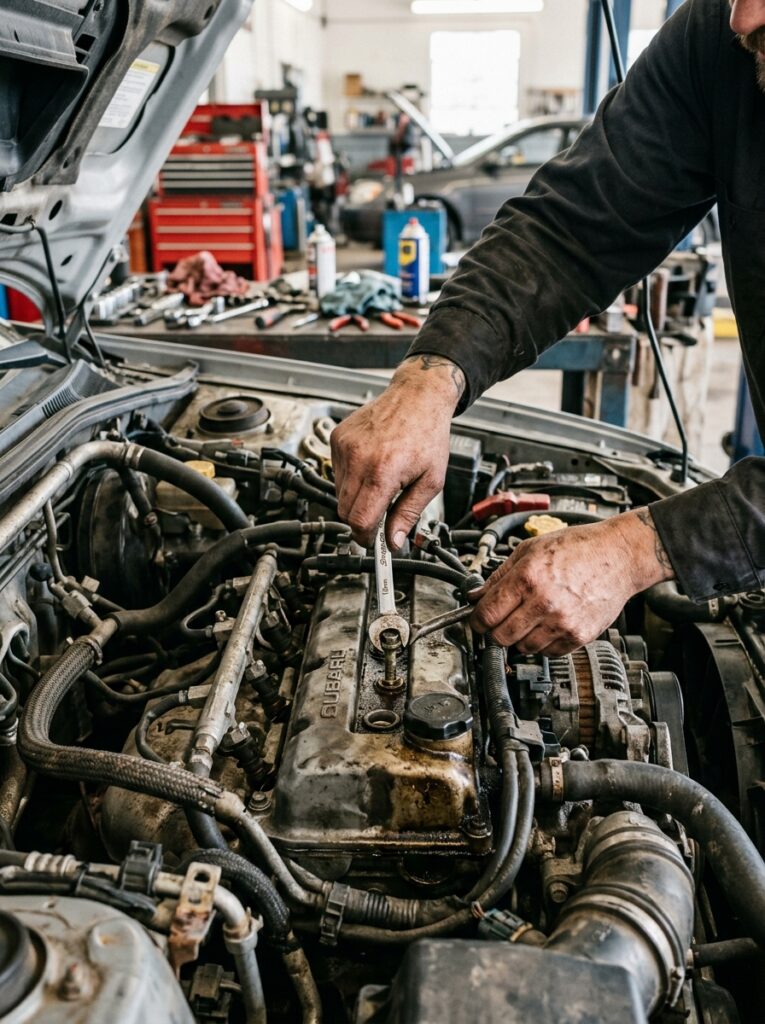
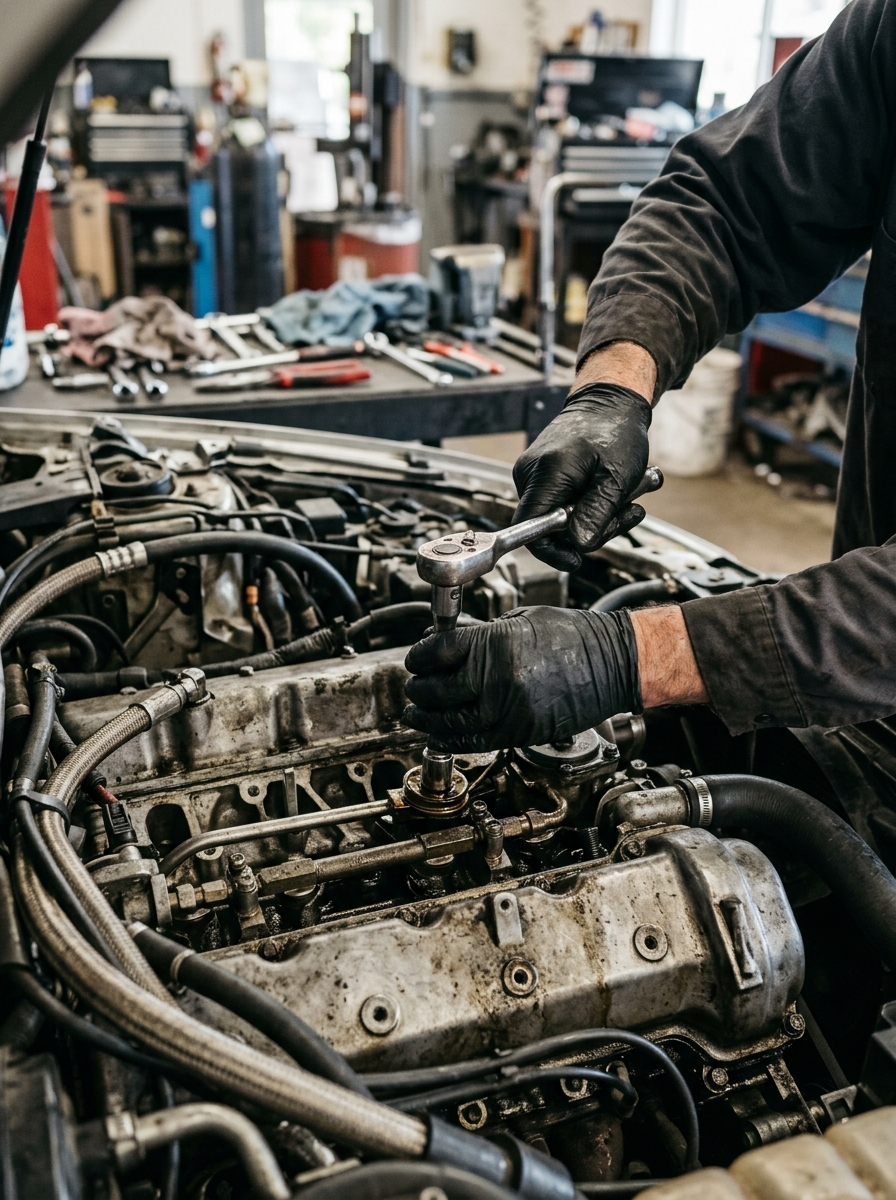
If you’re searching for professional engine repair in Escondido CA, Escondido Auto Pros provides expert diagnostics and repair services to keep your vehicle running smoothly. Your engine is the heart of your vehicle, powering every part of your driving experience and requiring proper maintenance to perform efficiently.
Modern engines rely on many components working together, including sensors, fuel systems, cooling systems, and ignition systems. When any of these parts fail, it can trigger the check engine light, reduce performance, and affect fuel efficiency.
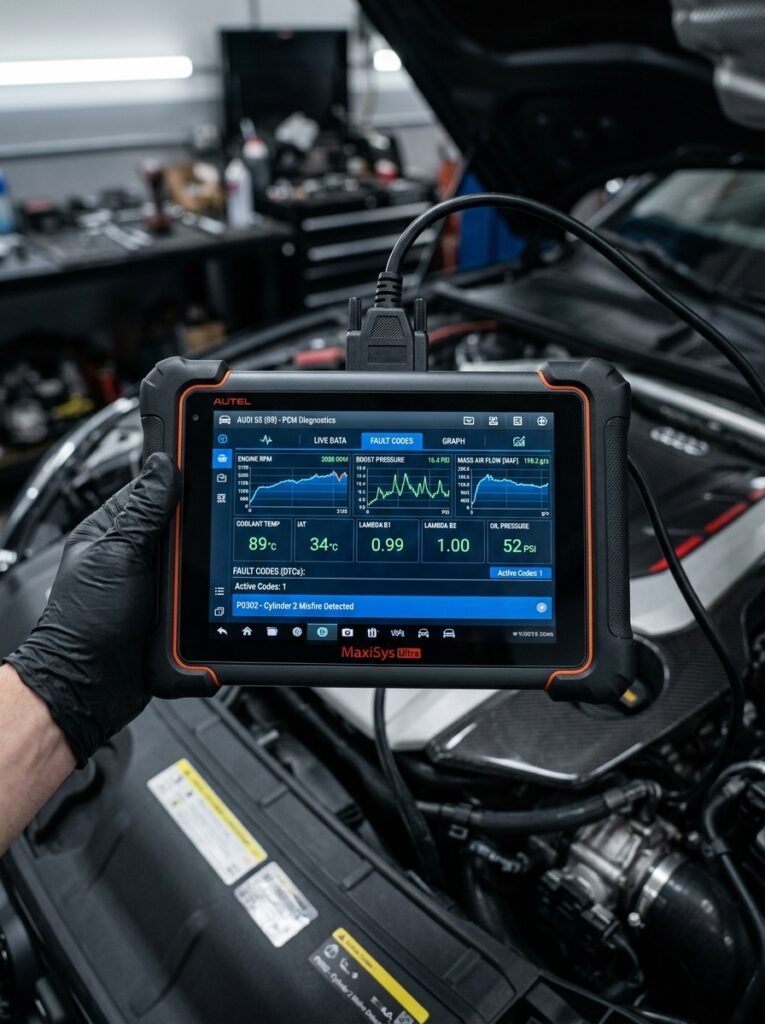
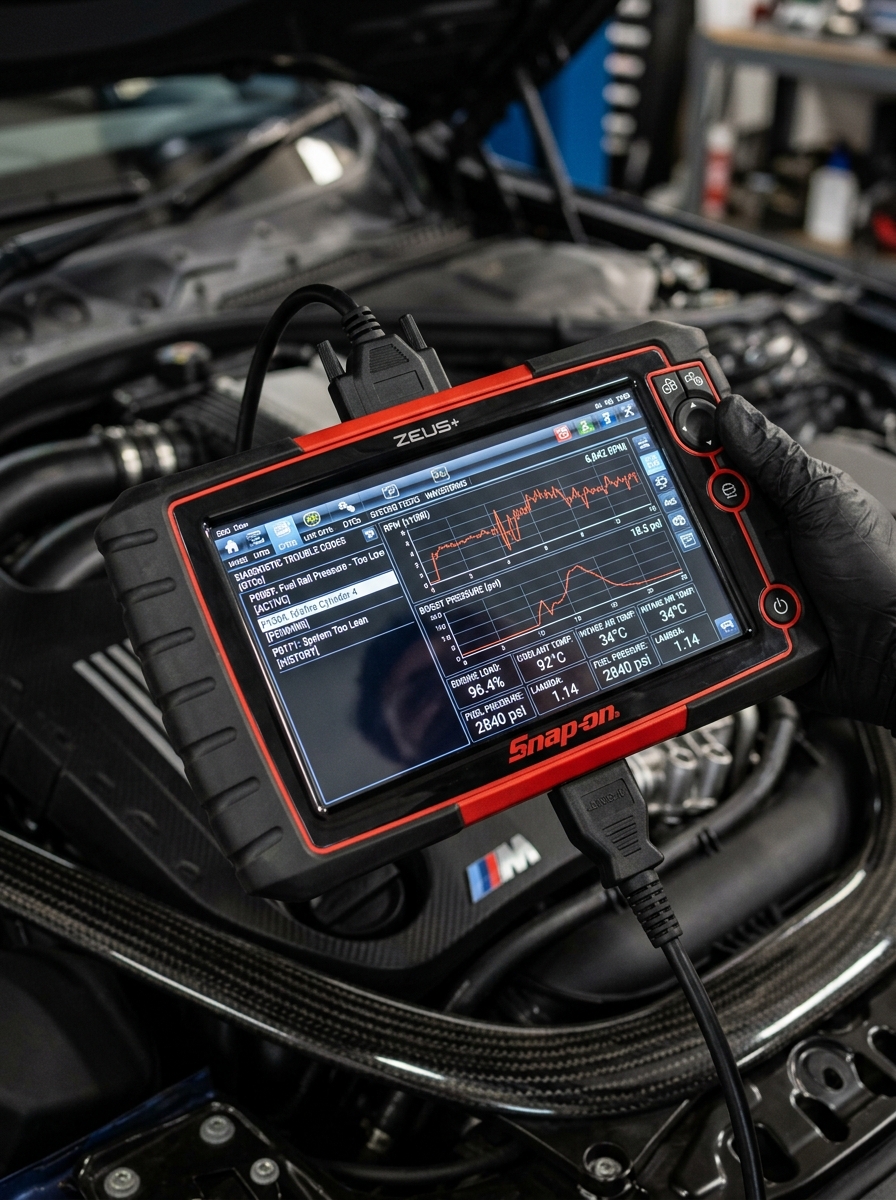
Our experienced technicians use advanced diagnostic equipment to identify engine problems quickly and perform the necessary repairs to restore performance, reliability, and safety.
How Does an Engine Work?
Acura, Audi, BMW, and Buick may have different types of engines inside them, but they all work the same way. Simply put, an internal combustion engine (the engine found in vehicles) is a heat engine that converts energy from the heat of burning gasoline to mechanical work or torque. The torque is applied to the wheels, which make your car move. Engines have pistons that move up and down metal tubes called “cylinders.” Pistons are connected to a crankshaft via rods and move up and down to power the crankshaft, which then powers the wheels of your car. Vehicles will have between 2 and 12 cylinders in their engines.
An engine’s pistons are powered by thousands of controlled explosions created by mixing fuel with oxygen, thus creating combustions. The heat and expanding gases from these small explosions push down on the piston in the cylinder, causing movement. Engines need air (namely oxygen) to burn fuel. During the intake stroke, valves open to allow the piston to act like a syringe as it moves downward, drawing in ambient air through the engine’s intake system. When the piston reaches the bottom of its stroke, the intake valves close, effectively sealing the cylinder for the compression stroke, which is in the opposite direction of the intake stroke. The upward movement of the piston compresses the intake charge. We at Escondido Autopros- Auto Repair & Hybrid Repair in Escondido know all about how engines work and can make the appropriate repairs as efficiently as possible.