
Check Engine Light On? What It Means & What To Do Next
You’re driving along, everything seems normal—and then suddenly, a small orange or yellow light pops up on your dashboard.
The check engine light.
It’s one of the most confusing (and stressful) warnings your car can give you. It doesn’t tell you exactly what’s wrong—it just lets you know something needs attention.
If you’re asking, “why is my check engine light on?”, you’re not alone. This is one of the most common questions drivers have—and for good reason.
The good news? Not every check engine light means a serious problem.
The bad news? Ignoring it can turn a small issue into a major repair.
Let’s break it down so you know exactly what to do next.
What Does the Check Engine Light Actually Mean?
Your vehicle has an onboard computer system that constantly monitors engine performance and emissions.
When something isn’t working correctly:
👉 The system triggers the check engine light
This could be caused by:
Engine performance issues
Emission system problems
Sensor malfunctions
👉 In simple terms: your car has detected something outside normal operation.
Solid vs Blinking Check Engine Light (VERY IMPORTANT)
Not all check engine lights are the same.
Solid Check Engine Light
This usually means:
👉 A non-urgent issue
Examples include:
Loose gas cap
Sensor issue
Minor performance problem
👉 You should still get it checked—but it’s not an emergency.
Blinking Check Engine Light
This is serious.
👉 It usually indicates an engine misfire
Why it matters:
Can damage catalytic converter
Can cause major engine damage
👉 If your light is blinking, stop driving as soon as it’s safe.
Top 8 Common Causes of a Check Engine Light
Let’s go deeper into what might be triggering it.
1. Loose or Faulty Gas Cap
Believe it or not, this is one of the most common causes.
Why it triggers the light:
👉 Fuel system pressure is affected
Easy fix:
✔ Tighten or replace gas cap
2. Faulty Oxygen (O2) Sensor
This sensor measures oxygen levels in exhaust.
If it fails:
👉 Engine may run inefficiently
Symptoms:
Poor fuel economy
Rough performance
3. Catalytic Converter Issues
This component reduces harmful emissions.
If it fails:
👉 Your car may not pass emissions
👉 Performance may drop
4. Bad Spark Plugs or Ignition Coils
These are essential for combustion.
If they fail:
👉 Engine misfires occur
Signs:
Rough running
Reduced power
5. Mass Airflow (MAF) Sensor Problems
This sensor measures air entering engine.
If faulty:
👉 Incorrect fuel mixture
6. Fuel System Issues
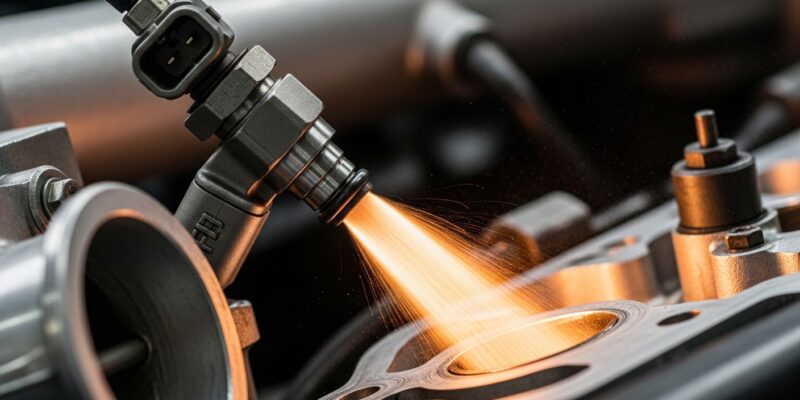
Problems with injectors or fuel delivery can trigger the light.
👉 This ties directly to performance issues
7. EVAP System Issues
This system controls fuel vapors.
Leaks or faults can trigger the check engine light.
8. Engine or Transmission Problems
More serious issues can also trigger the light.
👉 That’s why proper diagnosis is critical.
What To Do When Your Check Engine Light Comes On
Here’s a simple action plan.
Step 1: Stay Calm
Not every issue is serious.
Step 2: Check Your Gas Cap
Tighten it and drive a bit.
Step 3: Observe the Car
Look for:
Strange noises
Loss of power
Rough driving
Step 4: Get a Diagnostic Scan
This is the most important step.
👉 A scan reveals the exact issue
What Is a Diagnostic Scan?
A diagnostic scan connects to your car’s computer.
It reads:
👉 Error codes (OBD codes)
These codes point to:
Specific components
System issues
Performance problems
👉 This is how mechanics identify the real cause.
Can You Drive With the Check Engine Light On?
It depends.
Safe to drive (short term):
✔ Light is solid
✔ No performance issues
Not safe:
❌ Light is blinking
❌ Engine running poorly
👉 When in doubt, get it checked.
Why You Shouldn’t Ignore It
Ignoring the check engine light can lead to:
Worse engine damage
Reduced fuel efficiency
Higher repair costs
👉 Early diagnosis = cheaper fix
How Much Does It Cost to Fix?
Costs vary widely:
Gas cap → very low
Sensor → moderate
Major repairs → higher
👉 Diagnosis is key before estimating cost.
Why Professional Diagnostics Matter
A code alone doesn’t always tell the full story.
Professionals will:
Interpret codes correctly
Perform additional tests
Confirm root cause
👉 This prevents unnecessary repairs.
When Should You Visit a Mechanic?
Get your car checked if:
Light stays on
Performance changes
Fuel economy drops
Light is blinking
If you need car diagnostics in Escondido CA, getting expert testing ensures accurate results.
How to Prevent Check Engine Light Issues
Simple maintenance helps:
Regular oil changes
Replace spark plugs
Maintain fuel system
Inspect sensors
👉 Prevention reduces unexpected issues.
Final Thoughts: Don’t Ignore the Warning
The check engine light is your car’s way of asking for attention.
It doesn’t always mean something serious—but it always means something needs checking.
👉 The smartest move is to diagnose early and fix the issue before it gets worse.
Need Check Engine Light Diagnostics in Escondido?
If your check engine light is on, don’t guess—get answers.
👉 Schedule a professional diagnostic service and find out exactly what your vehicle needs.