
How Do You Know If Your Brakes Are Bad? Warning Signs You Shouldn’t Ignore
Your brakes are one of the most important safety systems in your vehicle—no question about it.
But here’s the problem: brake issues don’t always show up in obvious ways at first. They start small. A faint noise. A slight vibration. Maybe a feeling that something’s just… off.
Then one day, your stopping distance increases—or worse, your brakes fail when you need them most.
If you’ve been wondering, “how do you know if your brakes are bad?”, you’re asking the right question at the right time.
In this guide, we’ll break down the most common warning signs, what they actually mean, and when it’s time to stop guessing and get your brakes checked—especially if you’re driving in busy areas like Escondido, where quick, reliable stopping power matters.
Why Brake Problems Should Never Be Ignored
Let’s be clear: brake issues are not something you can “wait and see” with.
When your braking system starts to fail:
👉 Your stopping distance increases
👉 Your control decreases
👉 Your safety is at risk
Even a small issue—like worn brake pads—can quickly turn into:
Damaged rotors
Expensive repairs
Dangerous driving conditions
👉 The earlier you catch the problem, the easier (and cheaper) it is to fix.
Top 10 Warning Signs Your Brakes Are Bad
Here are the most common signs you should never ignore.
1. Squeaking or Squealing Noise
This is often the first sign something isn’t right.
Brake pads are designed with a built-in wear indicator that creates a high-pitched noise when they’re worn down.
What it means:
👉 Your brake pads are getting thin
What to do:
✔ Schedule inspection soon
2. Grinding Sound When Braking
If you hear grinding, that’s more serious.
What it means:
👉 Brake pads are completely worn out
👉 Metal is contacting metal
Risk:
Rotor damage
Increased repair cost
👉 This needs immediate attention.
3. Vibration or Shaking When Braking
If your steering wheel or brake pedal vibrates:
Possible cause:
👉 Warped brake rotors
This often happens from:
Heat buildup
Uneven wear
What you’ll feel:
Pulsation when braking
Steering wheel shake
4. Soft or Spongy Brake Pedal
Your brake pedal should feel firm.
If it feels soft or sinks:
Possible causes:
Air in brake lines
Brake fluid leak
Master cylinder issue
👉 This is a serious safety concern.
5. Car Pulls to One Side When Braking
If your car pulls left or right:
Causes:
Uneven brake pad wear
Stuck caliper
Brake fluid issue
👉 This affects control and stability.
6. Longer Stopping Distance
If your car takes longer to stop:
👉 Your braking system isn’t performing properly
Causes:
Worn pads
Low brake fluid
System inefficiency
7. Brake Warning Light on Dashboard
Modern vehicles will alert you.
Possible reasons:
Low brake fluid
Worn brake pads
System malfunction
👉 Never ignore dashboard warnings.
8. Burning Smell After Braking
A sharp, chemical smell can indicate:
👉 Overheated brakes
Causes:
Riding brakes downhill
Stuck caliper
👉 Pull over and let brakes cool immediately.
9. Visible Wear on Brake Pads
If you can see your brake pads:
👉 Thin pads = time to replace
Rule of thumb:
✔ Less than 3mm = replace soon
10. Unusual Noises or Feeling “Off”
Sometimes it’s subtle.
👉 If your brakes just don’t feel right—trust that instinct.
What Causes Brake Problems?
Brake issues don’t happen randomly.
Common causes include:
Normal wear and tear
Driving habits (hard braking)
Poor maintenance
Heat buildup
Low-quality brake parts
👉 Your driving style plays a BIG role.
How Often Should Brakes Be Checked?
General recommendation:
✔ Every 10,000–15,000 miles
✔ During routine maintenance
Brake pads typically last:
👉 25,000–70,000 miles
But it depends on:
Driving conditions
Vehicle type
Driving habits
What Happens If You Ignore Bad Brakes?
Ignoring brake issues can lead to:
Complete brake failure
Damage to rotors and calipers
Much higher repair costs
Increased accident risk
👉 What starts as a simple pad replacement can turn into a full brake system repair.
Can You Drive With Bad Brakes?
Short answer: You shouldn’t.
Even if your car still stops:
👉 It may not stop in time when it matters most
How Brake Inspections Work
A professional brake inspection includes:
Checking pad thickness
Inspecting rotors
Testing brake fluid
Examining calipers
Road testing
👉 This ensures everything is working properly.
Why Professional Brake Repair Matters
Brakes are not a DIY guessing game.
Proper repair ensures:
Correct parts used
Proper installation
Safe performance
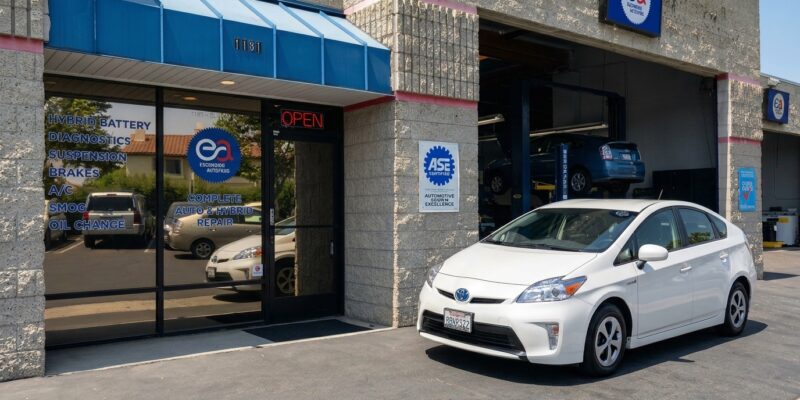
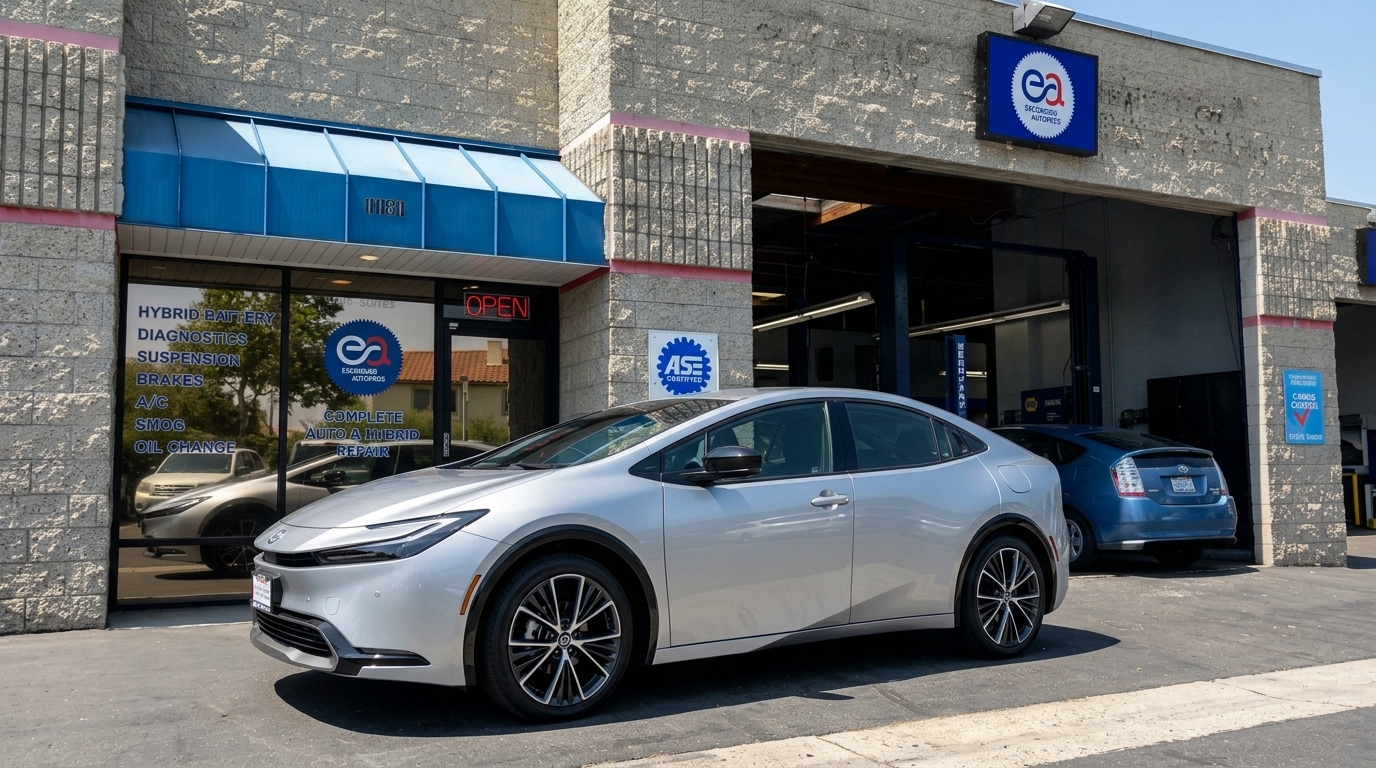
If you’re looking for brake repair in Escondido CA, getting expert service ensures your vehicle is safe on the road.
How to Make Your Brakes Last Longer
You can extend brake life by:
Avoiding hard braking
Maintaining safe following distance
Keeping up with maintenance
Using quality parts
👉 Small habits make a big difference.
Final Thoughts: Don’t Wait Until It’s Too Late
If your brakes are showing ANY warning signs, don’t ignore them.
👉 Brake issues don’t fix themselves—they get worse.
The key takeaway:
👉 Early detection = safer driving + lower repair costs
Need Brake Repair in Escondido?
If you’re hearing noise, feeling vibrations, or noticing changes in braking performance, it’s time to get your vehicle checked.
👉 Schedule a brake inspection today and make sure your vehicle is safe and ready for the road.